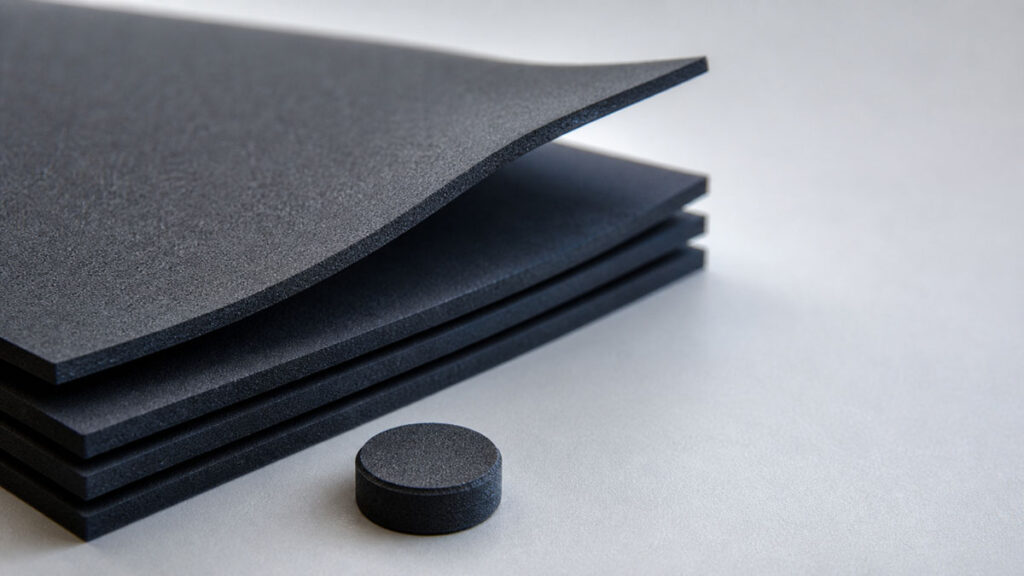
Conductive Silicone Properties: Resistivity Grades, Fillers, and Design Limits
Most searches for conductive silicone properties return the same two lines: “silicone plus carbon black, conducts electricity.” That is not enough to specify a part.

Most searches for conductive silicone properties return the same two lines: “silicone plus carbon black, conducts electricity.” That is not enough to specify a part.
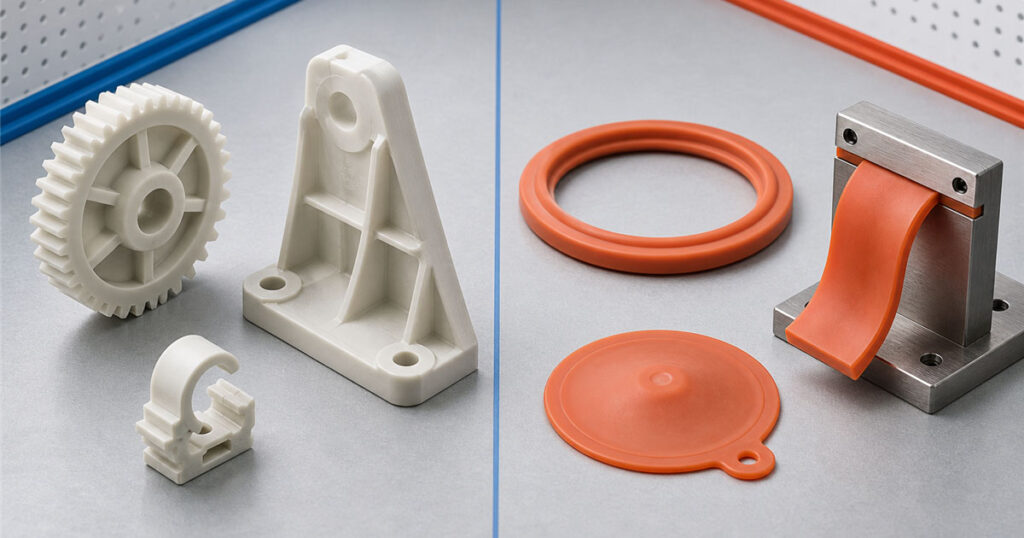
Choosing between nylon vs silicone is not a choice between a “strong” material and a “safe” one. That shortcut causes bad specifications. Nylon is a
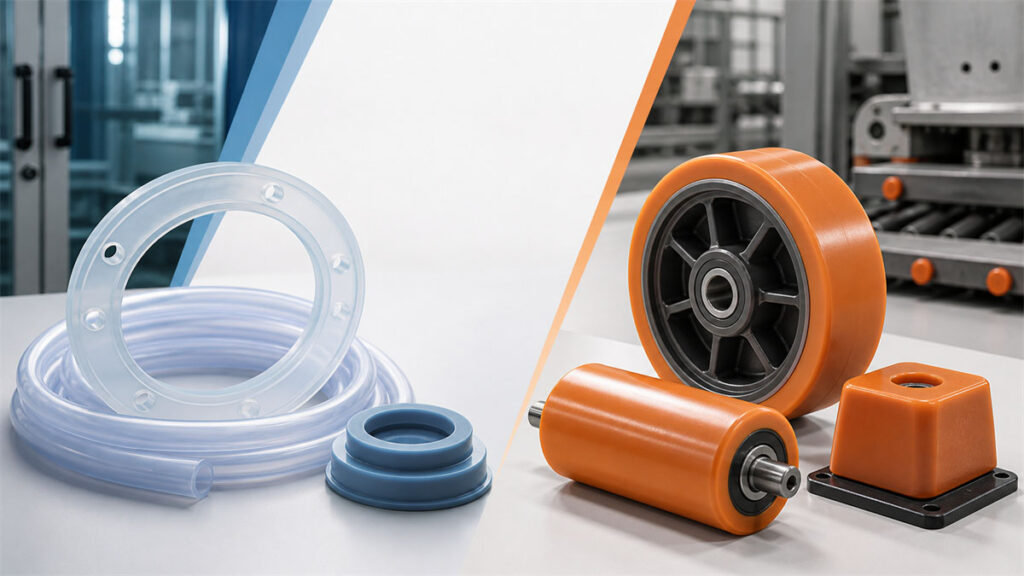
Silicone vs polyurethane is not a contest with one universal winner. The choice depends on the load, temperature, environment, service life, and manufacturing route. Choose
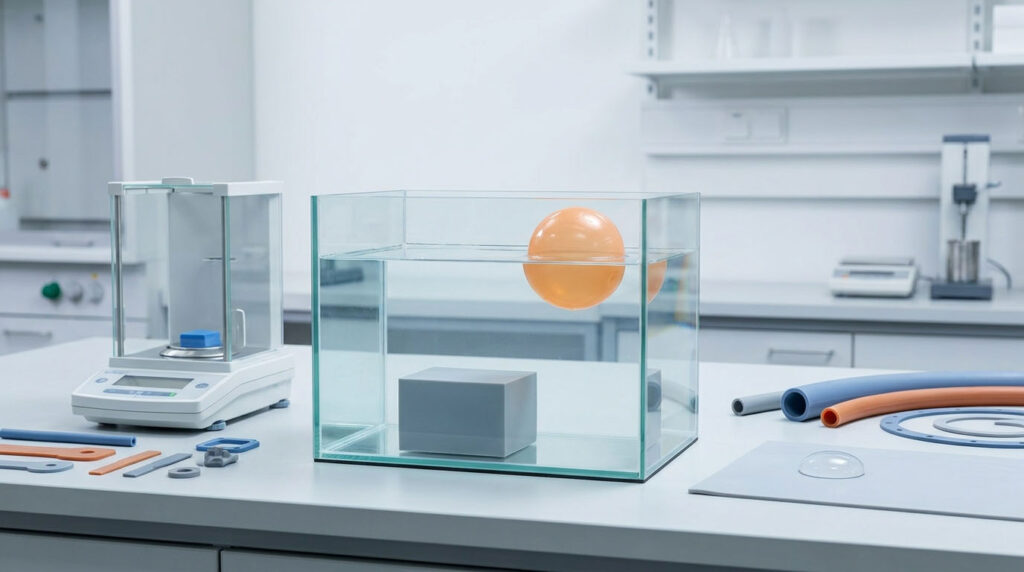
Silicone is often described as lightweight, waterproof, and hydrophobic. Those terms are easy to mix up. Typical solid silicone density is about 1.05–1.60 g/cm³, so
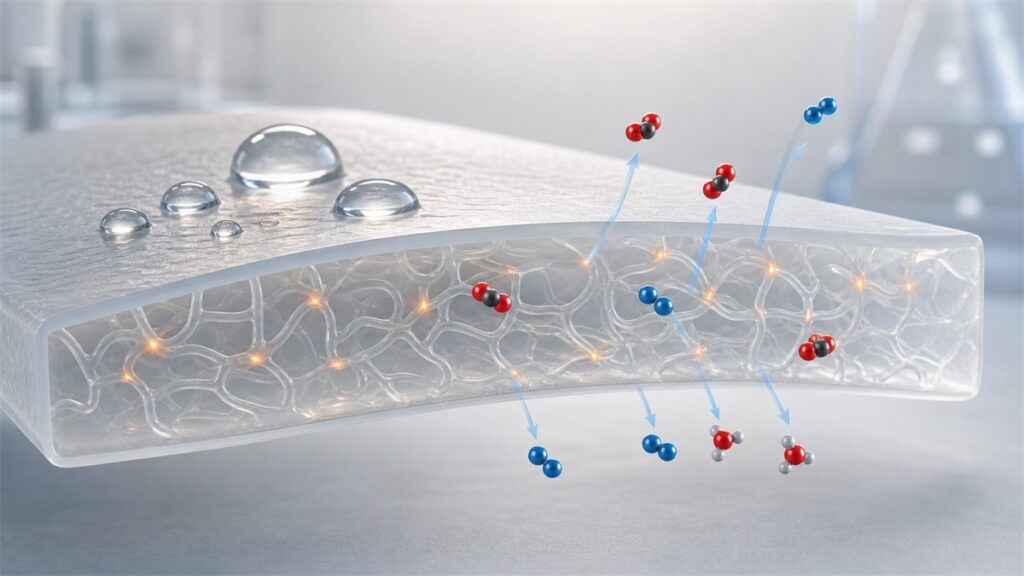
A silicone seal can stop liquid water and still allow oxygen, carbon dioxide, or water vapor to pass through its bulk. That apparent contradiction causes
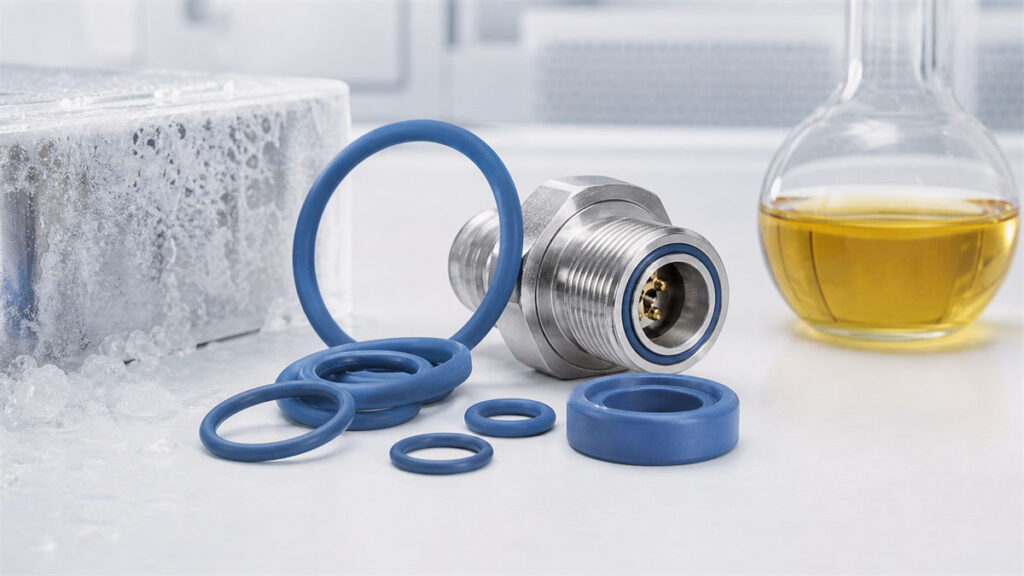
Engineers usually consider fluorosilicone when standard silicone cannot tolerate fuel or oil. The difficulty is separating the polymer’s broad reputation from the behavior of a

Silicone mold safety and regulations are often reduced to a list of logos: FDA, LFGB, REACH, RoHS, or ISO 10993. That approach is unreliable because
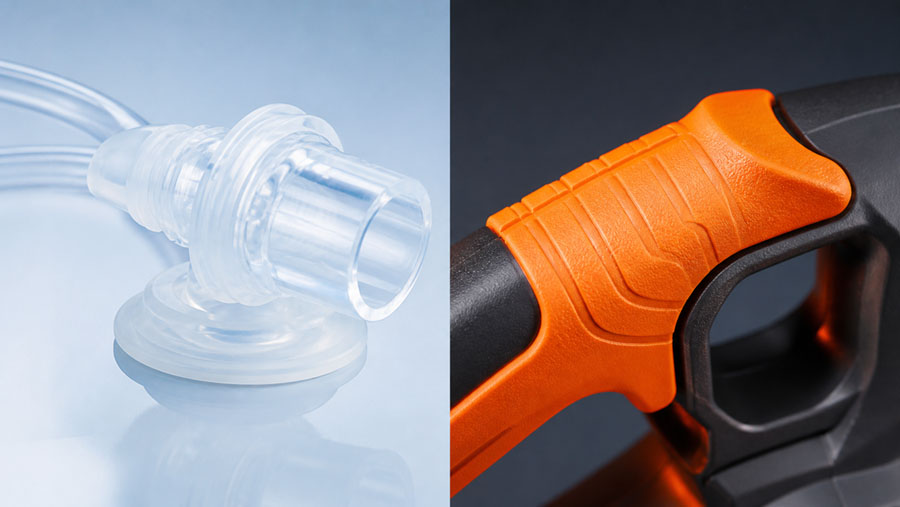
We quote both silicone and TPE every week, and most buyers arrive with the wrong question. They ask which material is “better.” That comparison has
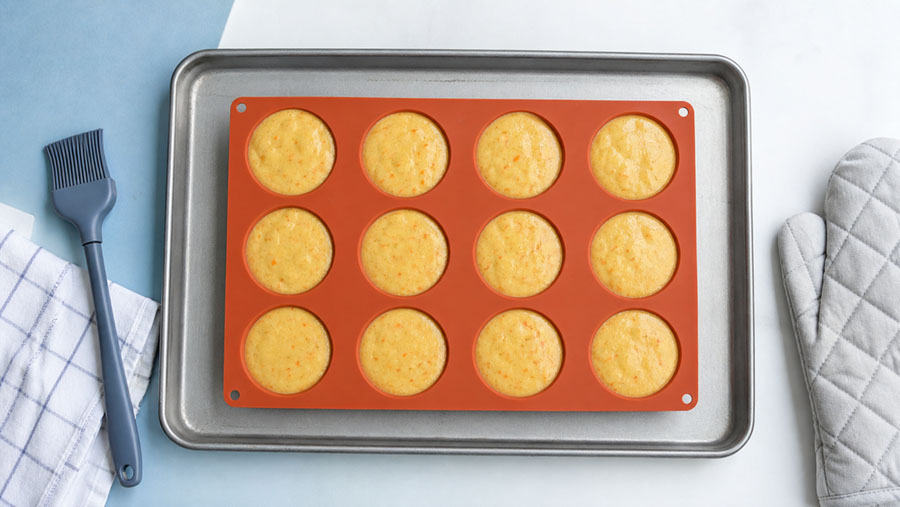
Silicone molds flex under the weight of batter and transfer heat differently from rigid metal pans. Without support, they can spill. If they are overfilled
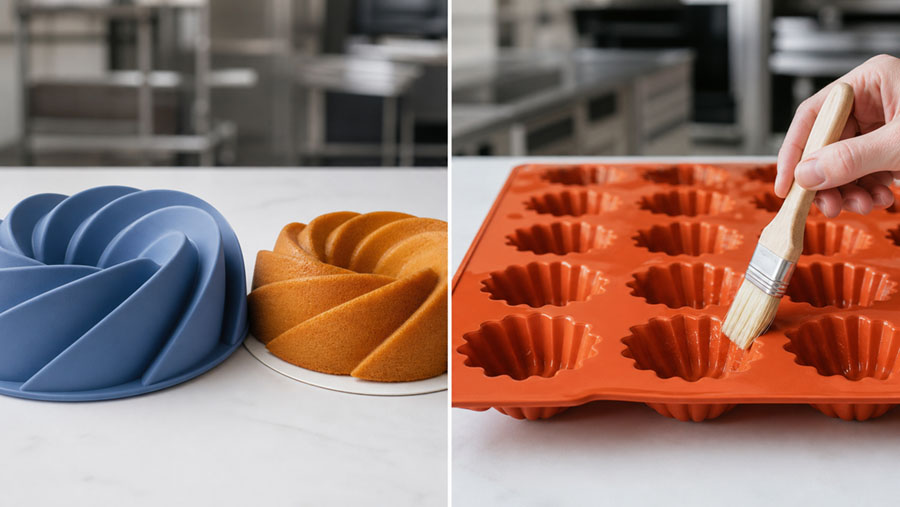
Silicone bakeware is sold as non-stick, but that does not mean every formula releases the same way. Sugar concentration, exposed caramel, surface detail and cooling

“food-grade silicone” appears on thousands of molds, but the label alone does not show which formulation was used, how the mold was cured, or whether
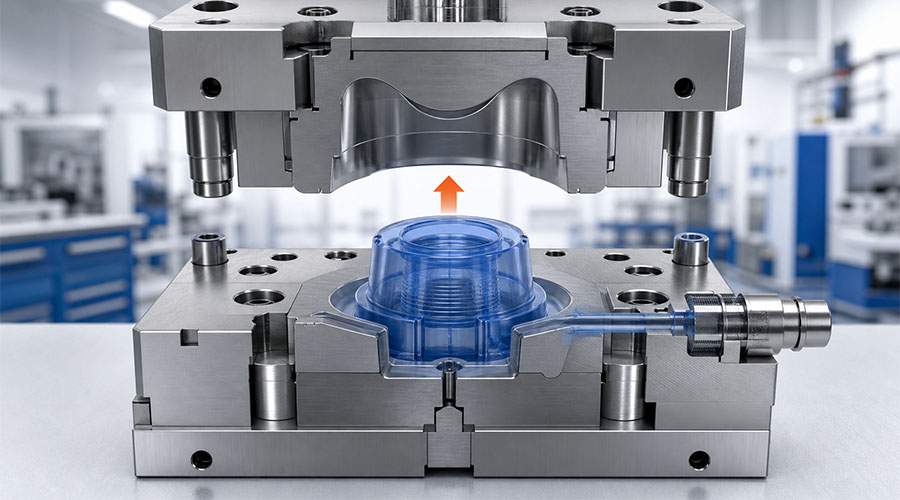
Silicone mold design is not simply a matter of turning a 3D model into steel. Draft angles, wall thickness, venting, parting lines, material behavior, and