
Silicone Pet Products Manufacturer
Silicone pet bowls, lick mats, grooming tools, toys, and travel accessories. OEM/ODM manufacturing with custom designs, pet-safe material options, molded logos, and retail packaging.
What Is a Silicone Pet Product?
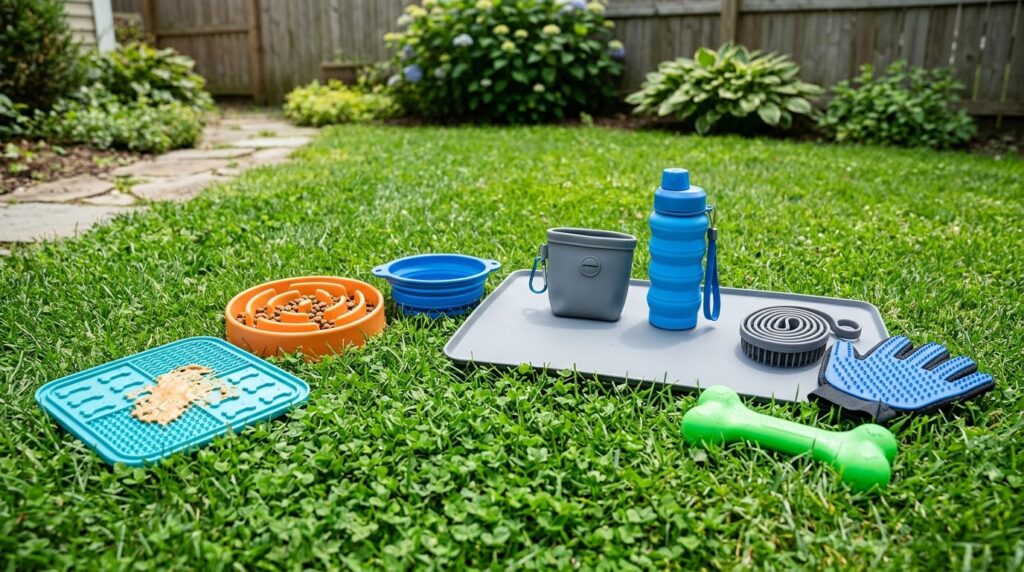
Silicone pet products are an accessory made from flexible silicone rubber for pet feeding, grooming, training, play, or daily care. Common products include feeding bowls, lick mats, slow feeders, grooming brushes, and travel accessories. Custom OEM/ODM silicone pet products are developed with specified dimensions, functional structures, colors, branding, and packaging for individual pet brands and retail markets.
RY Silicone is a custom silicone products manufacturer based in China, established in 2012. Our 10,000+ m² factory operates 30+ machines, with a manufacturing capacity of up to 100,000 silicone products daily across different categories. We support overseas pet brands, wholesalers, and distributors through product development, sampling, bulk production, quality inspection, and export preparation.
Silicone Pet Products Manufacturing at a Glance
MOQ & Lead Times
Order minimums follow existing tooling or new designs. Sampling, tooling, and production schedules are confirmed after project evaluation.
Material & Specifications
Application-specific silicone hardness, dimensions, wall thickness, surface textures, and structural features for feeding, grooming, travel, and play products.
Logo & Branding
Custom Pantone colors, molded logos, and printing on suitable surfaces support coordinated product collections and private-label development.
Packaging Options
Bulk cartons, individual bags, printed sleeves, display-ready boxes, and branded retail sets are available for different sales channels.
Who We Manufacture Silicone Pet Products For
Develop silicone pet accessories for different sourcing and distribution channels.

Pet Product Brands
Develop feeding, grooming, enrichment, and travel accessories under your own brand. Coordinate materials, functional features, colors, logos, and packaging across a consistent collection designed for your target customers.

Distributors & Wholesalers
Source silicone pet products wholesale for pet shops, importers, and regional distribution networks. Choose established product structures or develop exclusive designs for differentiated product ranges and repeat bulk orders.

Pet Stores & Retail Chains
Build coordinated dog and cat accessory collections with shelf-ready packaging, product labels, and consistent color options. Product sizes and assortment structures can reflect different retail price points.

Ecommerce & Private-Label Sellers
Create recognizable pet accessory listings with custom colors, packaging, inserts, and SKU identification. Existing tooling can support initial market testing before investment in exclusive molded product designs.

Pet Grooming & Care Businesses
Develop silicone bathing brushes, paw cleaners, grooming accessories, and related care products for professional or consumer use. Functional design priorities include handling comfort, cleaning access, and repeated use.
Pet Training & Promotional Brands
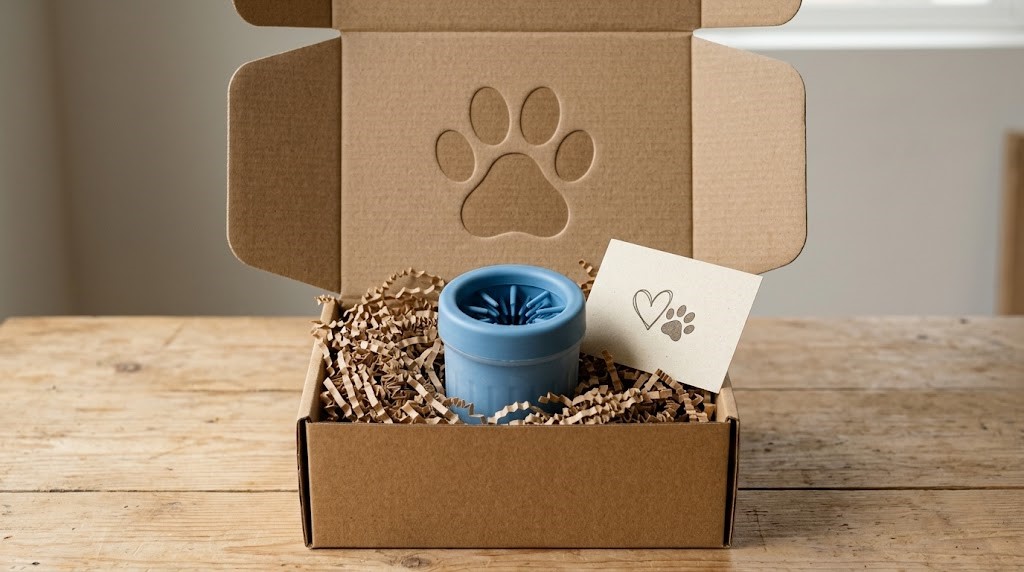
Produce treat pouches, portable feeding accessories, branded mats, and promotional pet gifts. Product selection can prioritize portability, logo visibility, accessible price points, and convenient distribution.
Types of Silicone Pet Products We Can Develop
Silicone Dog Tag
Silicone Pet Collar
Silicone Pet Bowls
Silicone Lick Mats
Silicone Slow-Feeder Bowls
Collapsible Silicone Pet Bowls
Silicone Pet Food Mats
Silicone Pet Grooming Brushes
Silicone Dog & Cat Chew Toys
Silicone Pet Treat Pouch
Silicone Pet Paw Cleaners
Silicone Pet Products Customization
Develop product structures and branding around each pet accessory’s intended use.
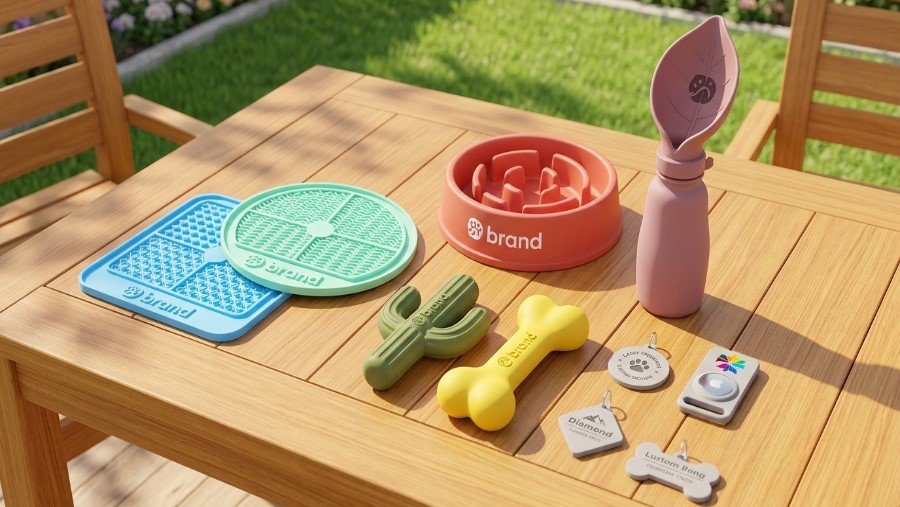
Pet product geometry should reflect how animals and owners interact with the item. Feeding bowls need stable bases and accessible openings, while lick mats require functional textures. Grooming brushes rely on flexible bristle arrangements, and portable accessories need convenient handling. We evaluate the intended use before finalizing structural details, including features that could affect cleaning, molding, or repeated operation.
Available options include:
- Dog and cat feeding bowl shapes
- Round, square, or irregular mat outlines
- Custom lick patterns and feeding channels
- Reinforced edges and stable bases
- Foldable and stackable structures
- Honeycomb, checkered, geometric, or other textured designs for slow-feeding
- Magnet, zipper, snap, suction, buckle, carabiner, breakaway, or other fasteners & closure mechanisms
- Ergonomic brush and pouch profiles
- Functional openings and attachment features
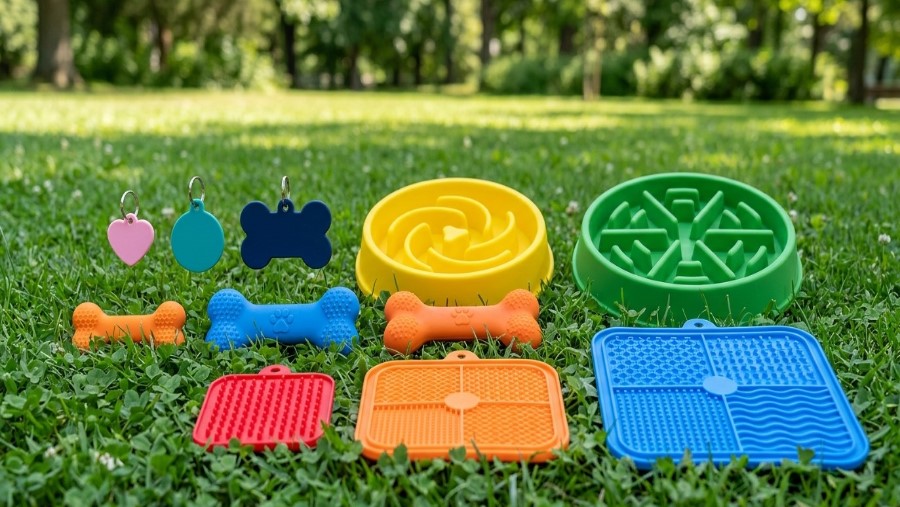
Dimensions affect portion capacity, pet suitability, product stability, and ease of handling. Bowl depth must accommodate the intended food or water volume without excessive wall deformation. Lick mats and slow feeders need appropriately sized feeding surfaces, while grooming brushes should fit the user’s grip. Our team reviews dimensions together with wall thickness, weight, and support features before tooling approval.
Available options include:
- Bowl diameter and capacity
- Feeding mat length and width
- Lick mat thickness and groove depth
- Slow feeder ridge height
- Travel bowl folded dimensions
- Grooming bristle height and spacing
- Treat pouch opening and volume
- Product weight and structural thickness

Silicone hardness and formulation influence flexibility, grip, tear resistance, and structural stability. Softer materials suit certain grooming bristles and flexible textures, while feeding bowls may need greater wall support. Products exposed to pet food or repeated chewing require separate material and construction assessments. We select the compound and curing system according to the product’s function, rather than applying one formulation across the collection.
Available options include:
- Food-contact silicone formulations
- Platinum-cured silicone options
- Custom Shore A hardness
- Different flexibility levels
- Tear-resistant compound selection
- Non-slip surface textures
- Smooth or matte finishes
- Custom pigment formulations

A consistent brand identity helps different accessories work together as a retail collection. We can coordinate product colors, molded marks, packaging artwork, and SKU presentation. Molded logos offer durable identification without added ink, while printed graphics suit selected non-contact surfaces. Branding decisions are reviewed alongside tooling requirements to avoid compromising the product’s function or cleaning accessibility.
Available options include:
- Standard and custom Pantone colors
- Embossed or debossed logos
- Screen or pad printing where suitable
- Coordinated product color collections
- Branded feeding and travel sets
- Individual retail boxes
- Hanging cards and printed sleeves
- Barcode labels and product inserts
- Private-label packaging
Start Your Custom Silicone Pet Products Project
Share your product type, reference design, target quantity, and branding requirements. Our team will review material options, tooling, sampling, and production.
How to Specify Better Silicone Pet Products
Define the pet’s interaction with the product before selecting material hardness or dimensions.
- Pet size—Select feeding capacity and opening dimensions for the target animal.
- Hardness — Match flexibility with wall support, grip, or bristle performance.
- Texture geometry—Keep lick and feeding channels accessible for cleaning.
- Wall thickness—Reinforce load-bearing rims and repeated folding areas.
- Base stability—Evaluate suction or anti-slip performance on intended surfaces.
- Tear resistance—Review thin sections and exposed features on chew-contact products.
- Cleaning access—Avoid inaccessible grooves and trapped-food pockets.
- Attachments — Check clips, closures, and removable parts for retention.
Full Specification Guide
How to Specify Silicone Pet Products: Material, Hardness, Dimensions, Flexibility, Chemical Safety, Food-Grade Silicone Material, Geometry Design and Stability, and Functional Design.
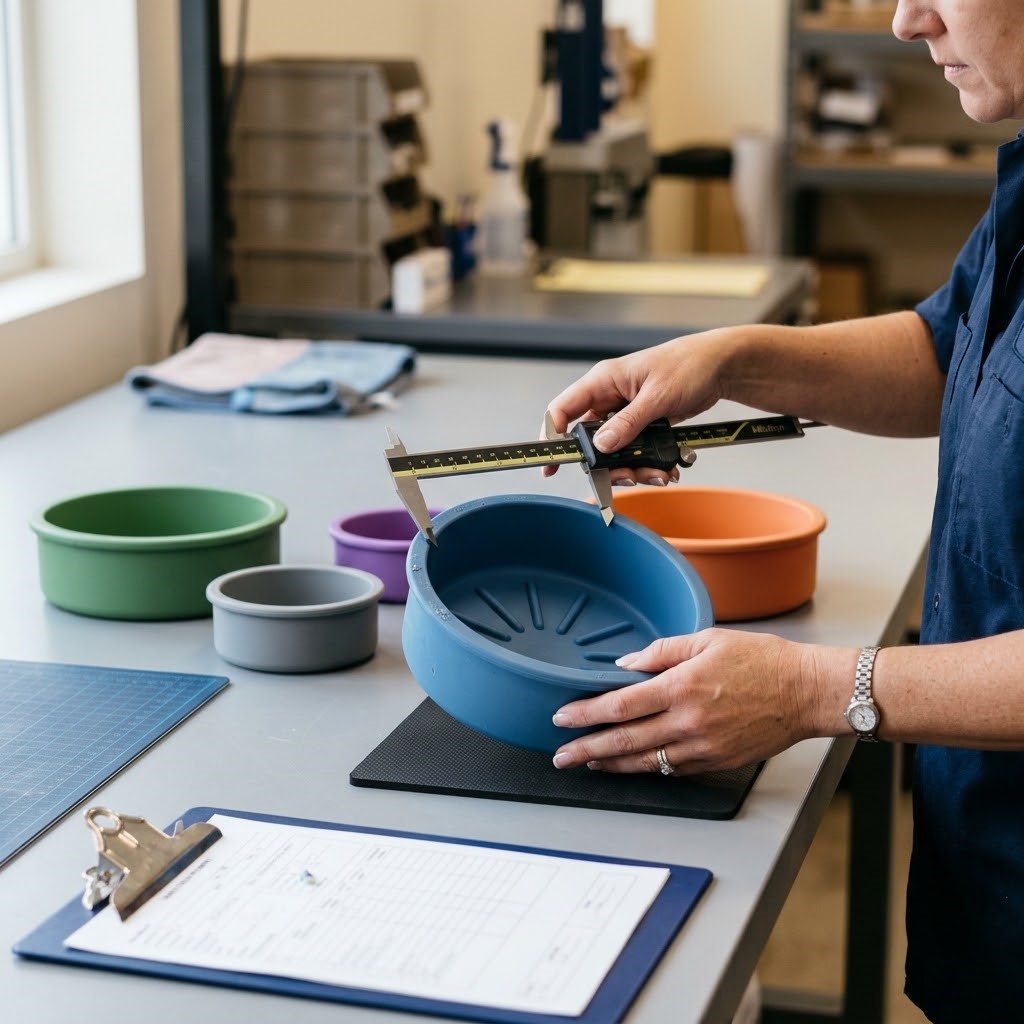
Silicone Pet Products Logo & Branding Methods
Choose branding methods that preserve functionality, durability, and cleaning access.
Screen Printing
Suitable for selected flat silicone surfaces with compatible inks.
Pad Printing
Used for smaller artwork on accessible product surfaces.
Embossed Logos
Raised logos formed during molding provide permanent branding without added printing ink.
Debossed Logos
Recessed logos create subtle branding on molded surfaces.
Silicone Pet Products Material & Performance Options
Select silicone based on feeding contact, flexibility, structural demands, and repeated use.
Recommended for silicone pet bowls, lick mats, and slow feeders with food-contact silicone.
Platinum-cured silicone is a useful material option for pet feeding accessories. The selected compound, pigments, and finished product must be evaluated based on the intended contact conditions and required documentation.
For US food-contact evaluations, FDA regulation 21 CFR §177.2600 provides requirements for rubber articles intended for repeated food contact, including applicable compositional and extraction provisions. The applicability of this regulation should be assessed for the actual product and claim, as it does not provide blanket certification for all pet accessories.
Material Comparison
Silicone vs. ABS Feeding & Slow-Feeding Bowls: How to Specify a Better One? —Heat resistance, flexibility, cratch resistance & hygiene, ease of cleaning, dishwasher cycles or boiling water sanitization, non-slip and stability during feeding, durability, and chew resistance.
Hardness should be determined by the product structure rather than by a single, collection-wide specification.
Indicative hardness in distinct application:
- Lick mats: 30–50 Shore A (flexible texture and release)
- Pet feeding mats: 40–60 Shore A (flatness and handling)
- Feeding bowls: 40–60 Shore A (wall and rim stability)
- Collapsible bowls: 40–60 Shore A (folding and shape recovery)
- Grooming bristles: 20–50 Shore A (contact softness and bristle recovery)
- Chew-contact products: no universal range
- Tear behavior and product-specific safety
These are preliminary design ranges, not verified specifications or guaranteed performance for an existing RY Silicone product. Final choices require prototype evaluation.
A soft silicone compound does not guarantee a gentle grooming action if the bristle tips are sharp. Likewise, a harder bowl material cannot compensate for inadequate wall support.
Prevent localized failures at thin sections and exposed features.
Products that come into contact with chewing require particular attention to tear initiation, edge thickness, and potential fragment separation. Silicone is not indestructible, and no chew toy should be marketed as safe for all dogs or chewing intensities.
A combination of suitable material strength, rounded geometry, and controlled wall thickness helps reduce avoidable weak points. Product-specific bite, tear, and abuse testing should be conducted during development.
Maintains function after repeated folding and opening.
Collapsible bowls require flexible wall transitions to maintain stability when filled. Abrupt changes in thickness create stress concentration at fold lines, and overly rigid fold sections reduce compactness.
Repeated folding trials should confirm that the rim remains usable and that no cracks develop in the folded regions.
Base geometry is as important as material friction.
Lick mats may use suction cups to temporarily attach to compatible, smooth surfaces. The seal is affected by cup diameter, spacing, skirt thickness, and molding consistency.
A suction design that works on smooth glass may perform poorly on textured tiles, wood, or uneven surfaces. Rather than describing suction performance as universally secure, it should be validated against the intended surface.
Silicone can withstand many routine cleaning and feeding temperatures.
The initial material screening range for suitable food-grade silicone formulations is −40°C to 230°C (-40℉ to 446℉). However, this broad material range does not reflect the finished product’s rating.
For pet accessories, dishwasher cleaning, freezing food-filled lick mats, and washing with warm water are usually more relevant than high-temperature baking. Attached plastic, metal, printed, or adhesive components can restrict the finished product’s temperature limits.
Documentation can be evaluated according to the product category and destination market:
- Silicone material data sheets
- Compound and pigment declarations
- Relevant food-contact test reports
- REACH-related substance documentation, where applicable
- Allergenicity for fur
- Product-specific migration, toxicity, chemical safety, or other test reports
- Physical durability and functional test reports
A material report alone does not ensure the safety of complete chew toys or multi-component pet accessories.
The mandatory ASTM F963 toy standard applies to children’s toys, not pet toys intended for animal use only. Therefore, it should not be considered an automatic pet toy certification requirement.
Easy-to-clean structures reduce trapped food and residue.
Smooth surfaces and open grooves make routine washing easier. Narrow feeding channels and enclosed attachment points require additional access for cleaning.
Check the label or specific care instructions before placing your silicone pet products in the dishwasher, though they’re generally dishwasher-safe.
Wash reusable feeding products with a suitable detergent and water. Then, rinse and dry them thoroughly. Regularly inspect damaged or torn sections, particularly on items exposed to chewing.
Care Guide
How to Clean & Care for Your Silicone Pet Products? —Cleaning routines, keeping hygiene, regular sanitization, rinsing with mild detergents, air-drying, and storing in cool, dry conditions.
How Silicone Pet Products Are Manufactured
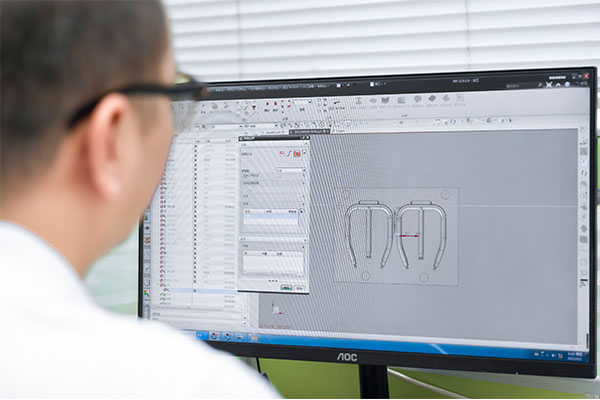
STEP 1: Requirement Review
Every project starts with the product category, intended pet size, functional requirements, order quantity, dimensions, material preferences, branding, packaging, and target market.
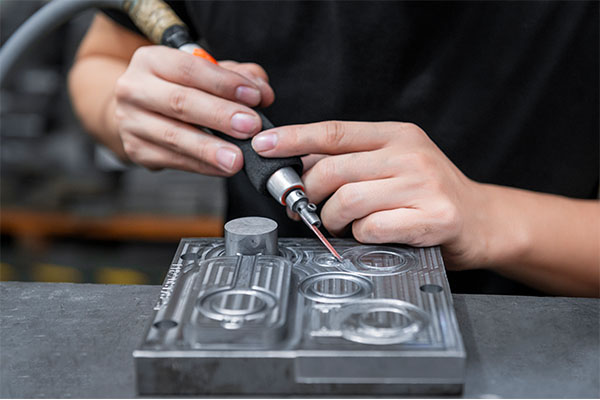
STEP 2: Tooling Evaluation
Existing tooling is reviewed for compatible designs. New shapes, feeding textures, folding structures, and molded logos may require custom molds and engineering adjustments.
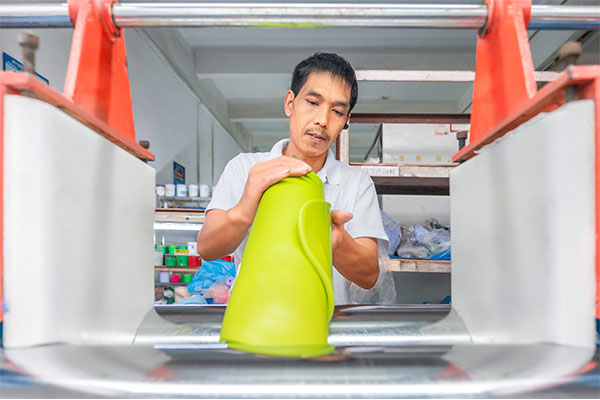
STEP 3: Material and Color Preparation
Approved silicone compounds are prepared with specified pigments. Material formulation, hardness, and curing requirements are established according to the product's intended function.
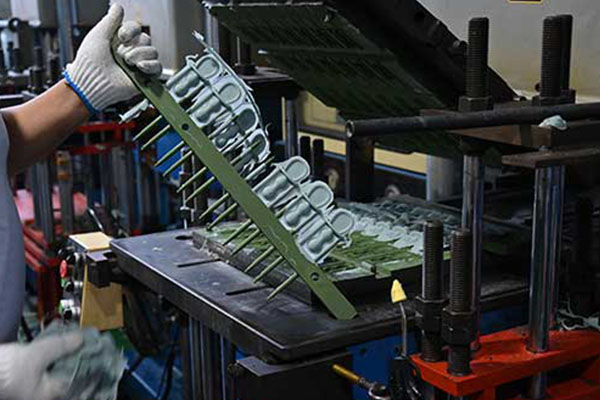
STEP 4: Compression Molding
Silicone compounds are placed into heated molds, pressed, and cured to produce the required geometry. Alternative molding processes are evaluated for suitable product structures.
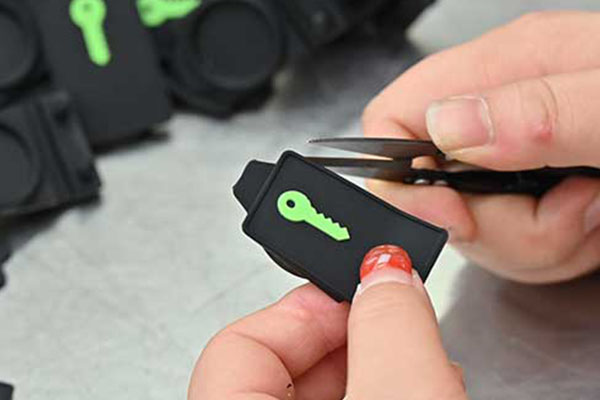
STEP 5: Demolding and Trimming
Finished silicone parts are removed from tooling and trimmed. Thin feeding ridges, flexible bristles, folding sections, and exposed edges receive particular attention.
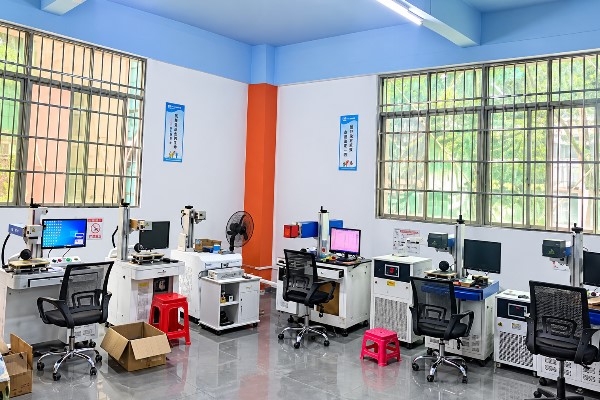
STEP 6: Logo and Surface Processing
Molded logos are formed during production. Where required, compatible printing and secondary assembly follow the approved artwork, product design, and processing specifications.
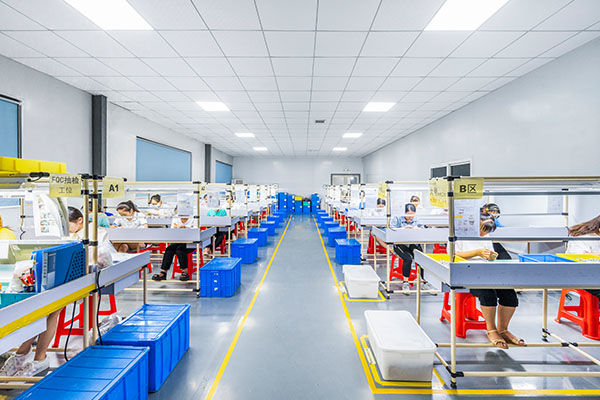
STEP 7: Quality Inspection
Finished products are examined against approved samples. Product-specific checks cover dimensions, appearance, function, material characteristics, branding, and any agreed durability requirements.
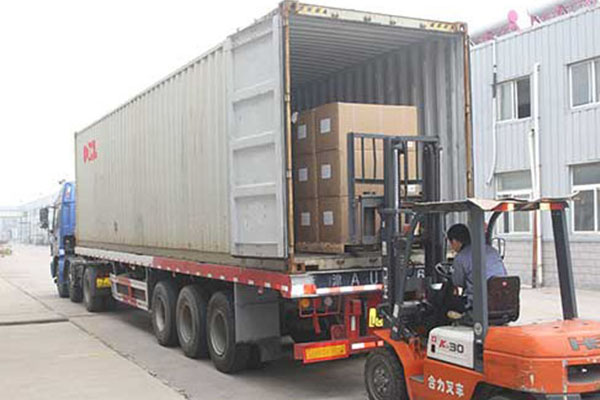
STEP 8: Packaging and Shipment
Products are cleaned or prepared as specified, counted, packed, and labeled. Carton identification and shipping documentation follow the approved packaging and delivery plan.
Silicone Pet Products Quality Control
Pet accessories require more than visual inspection. Their functional features must remain consistent during repeated feeding, folding, cleaning, or handling.
AQL 2.5 / 4.0 Standard Inspection
We run final random sampling plans to verify batch consistency:
AQL 2.5
Critical / Major Defects
AQL 4.0
Minor Visual Flaws
Use the agreed sampling standard and acceptance criteria in the purchase order.
Approved Sample Control
Every production order is compared against an approved reference sample covering:
- Product shape and dimensions
- Color and appearance
- Material hardness
- Weight and wall thickness
- Surface texture
- Logo position and definition
- Functional features
- Packaging presentation
Incoming Material Review
Silicone compounds, pigments, and any attached components are checked against the confirmed material specification and supplier documentation.
For food-contact applications, documentation must match the actual formulation and relevant finished-product requirements.
In-Process Inspection
Operators monitor molding completeness, visible defects, color consistency, and product geometry during production.
High-risk areas include thin feeding ridges, brush bristle tips, folding transitions, and small molded attachment features.
Functional & Durability Inspection
Silicone Feeding Bowls: Capacity, wall stability, rim deformation, and base grip.
Lick Mats: Pattern completeness, groove accessibility, and suction performance.
Slow Feeder Bowls: Ridge integrity, channel consistency, and cleaning accessibility.
Collapsible Bowls: Folding recovery, stress whitening, cracks, and rim stability.
Pet Grooming Brushes: Bristle completeness, tip shape, flexibility, and tear resistance.
Silicone Pet Toys: Tear behavior, part retention, and potential fragment separation.
Treat Pouches: Closure function, opening recovery, and attachment retention.
Paw Cleaners: Bristle strength, opening dimensions, and removable component fit.
Dimensional & Appearance Inspection
Finished products are examined for incomplete molding, tears, contamination, severe bubbles, irregular edges, and unacceptable surface defects.
Dimensional measurements follow the approved drawing or sample, with tolerances assigned according to each functional feature.
Final Packaging Inspection
The final check covers product quantity, SKU labels, barcode readability, brand artwork, inserts, packaging integrity, and shipping carton identification.
Silicone Pet Products Packaging Options
Choose packaging according to distribution requirements and product positioning.
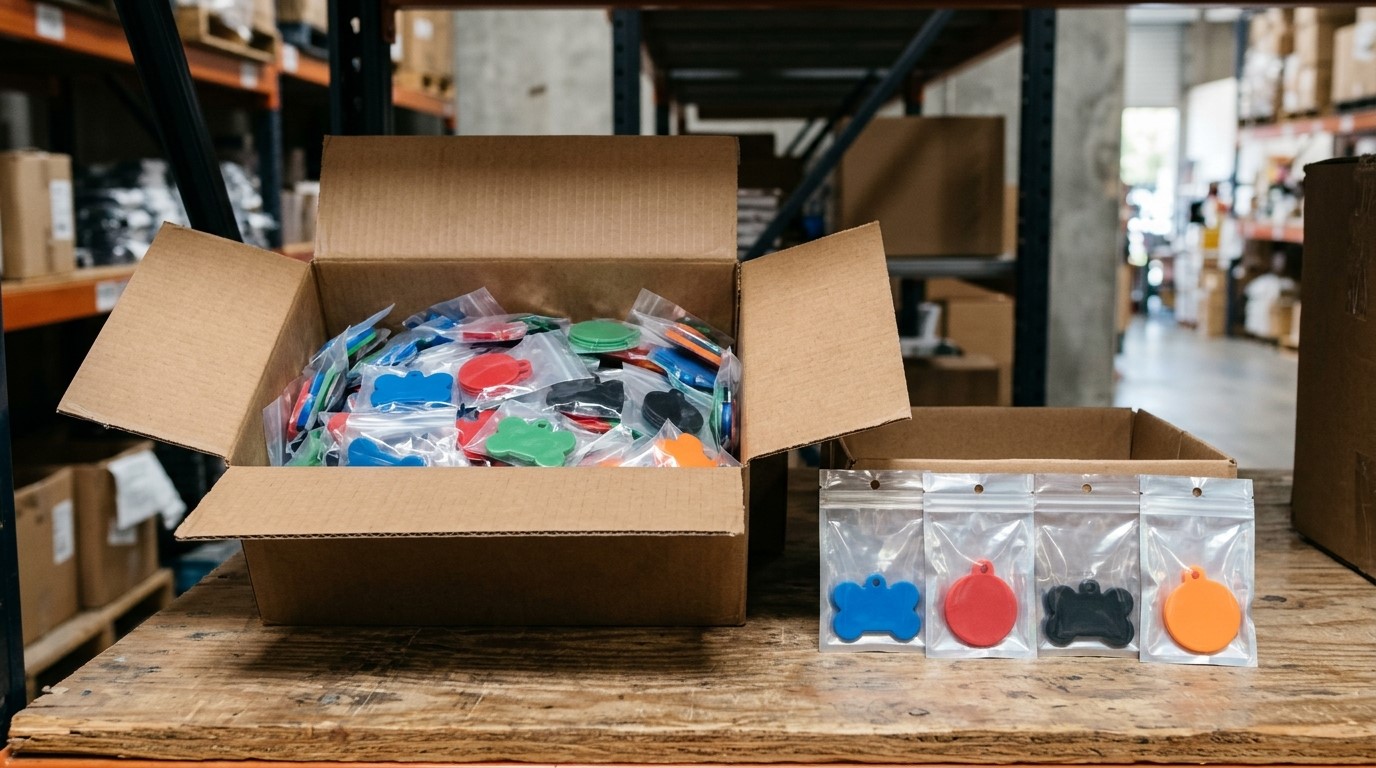
Bulk Packaging
Individual protective bags or grouped carton packing help distributors reduce packaging costs while maintaining organized inventory and straightforward bulk handling.
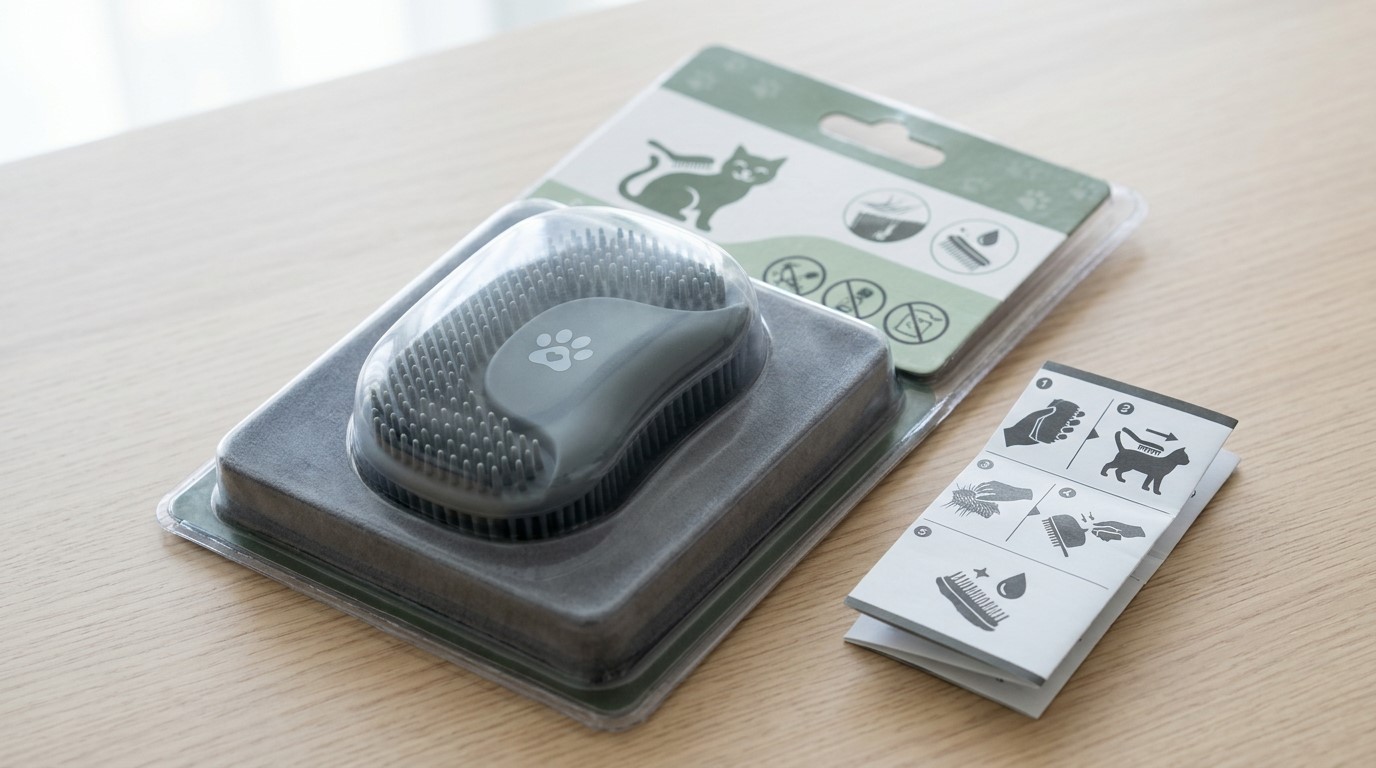
Retail Packaging
Printed sleeves, hanging cards, and branded boxes support shelf presentation, product instructions, barcode identification, and consistent packaging across pet accessory collections.
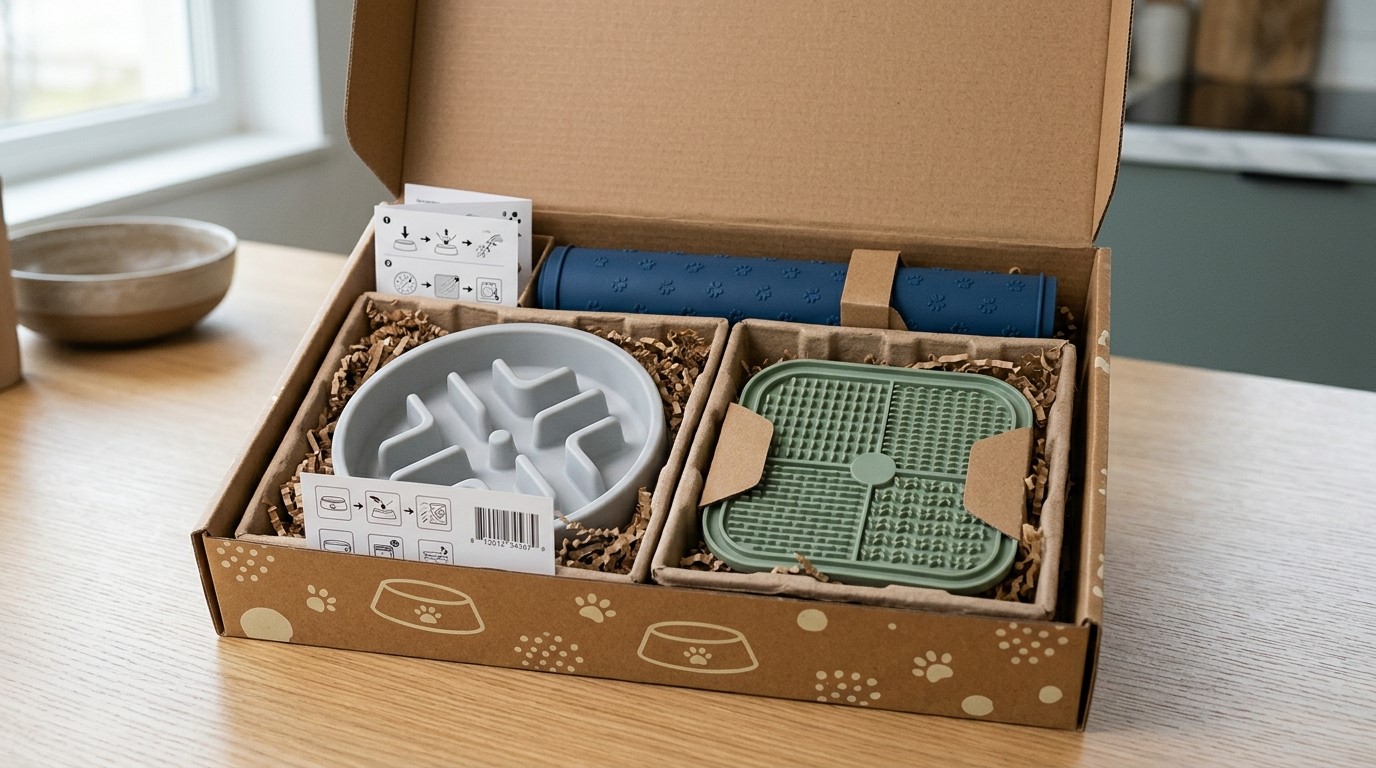
Ecommerce Packaging
SKU labels, barcode stickers, inserts, and suitable outer protection prepare silicone pet products for online inventory management, fulfillment, and direct-to-consumer shipping.

Premium Brand Packaging
Custom-printed boxes, coordinated colors, product bundles, and branded inserts create unified pet-care collections for gift sets and higher-value retail programs.
Custom Silicone Pet Products Typical Specifications
| Specification | Typical Project Reference |
|---|---|
| Product | Custom silicone pet products |
| Applications | Feeding, grooming, training, travel, enrichment, daily pet care |
| Material | Solid silicone rubber; food-contact formulations where required |
| Curing system | Platinum-cured or suitable peroxide-cured silicone |
| Hardness | 20–70 Shore A initial screening range; product-specific selection |
| Feeding bowl capacity | 250–1,500 mL indicative |
| Lick mat dimensions | 15 × 15 cm to 30 × 30 cm indicative |
| Feeding mat dimensions | 30 × 20 cm to 60 × 40 cm indicative |
| Wall thickness | According to geometry and functional loading |
| Surface | Smooth, matte, textured, grooved, raised patterns |
| Colors | Standard colors or custom Pantone matching |
| Logo methods | Embossing, debossing, compatible printing |
| Molding process | Compression molding; alternative processes evaluated |
| Food-contact documentation | Project-specific material and finished-product evidence |
| Durability testing | Flexibility, tear, folding, suction, or component retention as applicable |
| Packaging | Bulk, retail, ecommerce, custom gift packaging |
| Existing tooling MOQ | Confirm against the selected design and packaging |
| New tooling MOQ | Confirm according to tooling and production economics |
| Sampling lead time | 5–10 working days as an initial planning reference |
| New tooling lead time | 10–20 working days as an initial planning reference |
| Mass production lead time | 15–25 working days after approval as an initial planning reference |
| Inspection | Approved sample plus agreed acceptance criteria |
| OEM / ODM | Available |
All numerical values are preliminary planning references, not confirmed pet-product production specifications.
Why Work with RY Silicone

Silicone Manufacturing Experience Since 2012
RY Silicone is a China-based custom silicone products manufacturer established in 2012. We support product development, mold evaluation, sampling, batch production, and quality inspection for international B2B customers.
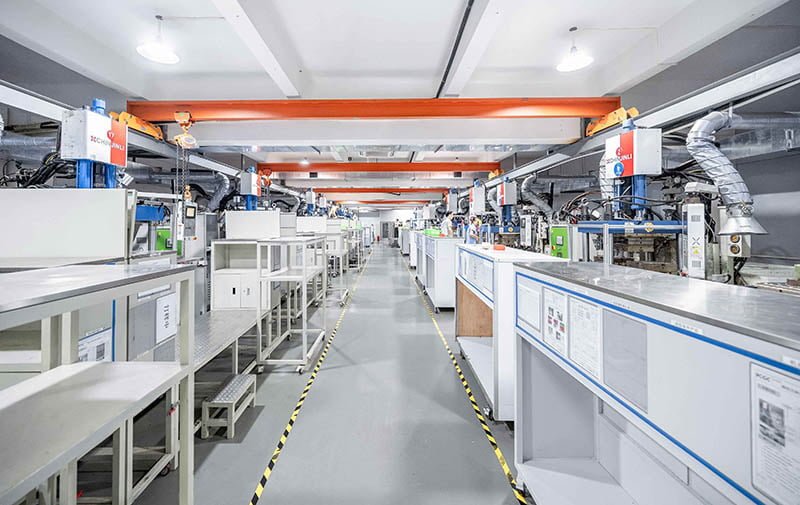
10,000+ m² Production Facility
Our manufacturing facility supports silicone molding, finishing, product inspection, and packaging. Pet accessory projects can be developed around custom geometry, material requirements, branding, and order-volume considerations.

30+ Production Machines
Multiple manufacturing machines support silicone products with different dimensions, structures, and production requirements. Appropriate tooling and molding processes are selected after reviewing the proposed design.
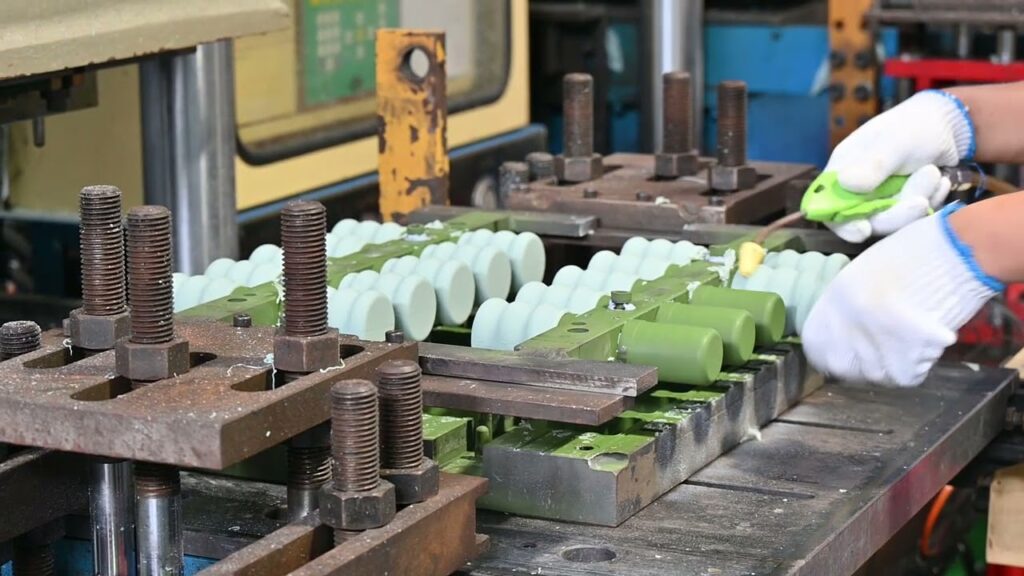
Up to 100,000 Silicone Products per Day
Our stated overall manufacturing capacity reaches up to 100,000 silicone products per day across product categories. Actual output for pet accessories follows mold cavity count, product weight, cycle time, and inspection requirements.
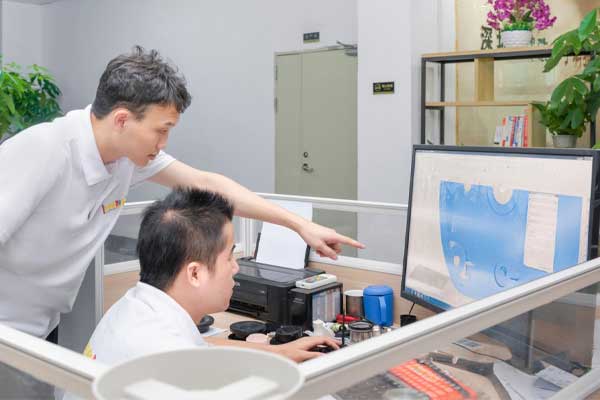
Engineering Review Before Quotation
Our engineering team examines how the product will be used before confirming its manufacturing plan. Lick mat grooves, bowl wall support, folding transitions, and grooming bristle geometry require different design considerations.
Material selection and tooling proposals follow the product’s function rather than using one standard solution for every silicone pet accessory.
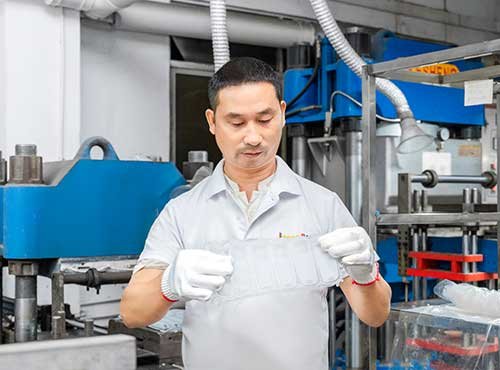
Sample-Based Production
The approved sample provides the production reference for product dimensions, color, surface finish, functional features, and branding.
Projects with folding structures, suction cups, or chew-contact designs should include agreed functional testing before mass production.

Export Project Support
RY Silicone supports international brands, importers, and distributors with project documentation, packaging coordination, and shipment preparation.
Product claims, test reports, labeling, and packaging requirements are reviewed according to the intended destination market.
Silicone Pet Products FAQ and Final RFQ
What is the MOQ for custom silicone pet products?
Minimum order quantities vary between products using existing tooling and new custom-molded designs. Product size, compound requirements, tooling investment, colors, and packaging affect the minimum economic production quantity.
Send your selected pet product and expected order volume for an MOQ quotation.
Can you manufacture pet products with custom designs?
Yes. RY Silicone supports OEM/ODM silicone manufacturing using design files, reference samples, product drawings, CAD files, or development concepts, which is supported by our engineering team.
New designs are evaluated for manufacturability, structural performance, material selection, tooling requirements, and production feasibility before sampling and production.
What silicone material is best for pet feeding products?
Food-contact LSR or HCR (also called “HTV”) are generally appropriate for feeding bowls, lick mats, and slow feeders.
Typical hardness ranges from 20–40 Shore A for flexible lick mats to 40–60 Shore A for feeding bowls requiring structural support. Material selection should also consider tear resistance, wall thickness, molding methods, and compliance with applicable food-contact regulations
Are silicone pet products safe for dogs and cats?
Properly designed and manufactured silicone accessories can be suitable for pet feeding and everyday care.
Safety also involves product geometry, material chemistry, intended use, and the animal's behavior. In particular, silicone chew toys are not indestructible, and damaged products should be removed from use.
Can you customize silicone pet bowls for different dog sizes?
Yes.
Bowl diameter, depth, capacity, wall thickness, and rim structure can be adjusted for different feeding requirements.
For larger bowls, wall stability and base support need additional attention because the filled product carries greater weight.
Can silicone lick mats be made with custom textures?
Yes. Lick mats can incorporate different grooves, raised patterns, feeding zones, and suction-cup arrangements.
Texture depth and spacing should be selected alongside cleaning access. Extremely narrow or deep grooves may trap food residue.
How do you improve the durability of collapsible silicone pet bowls?
Durability improvements from the folding geometry with fatigue resistance and wall thickness distribution.
Smooth transitions reduce localized stress during repeated folding. Material selection, rim reinforcement, and folding-cycle testing are also important for maintaining functional shape.
Can you manufacture silicone chew toys for aggressive chewers?
We can evaluate silicone toy designs for their intended chewing conditions, but no silicone toy should be described as indestructible or universally suitable for aggressive chewers.
Design reviews should address tear resistance, potential fragment separation, product size, and foreseeable chewing behavior.
Can you provide food-contact documentation for silicone pet products?
Material declarations and relevant test documentation can be discussed according to the selected compound and requested market requirements.
A raw material report does not automatically verify the compliance of every finished product, pigment, or attached component.
Which logo methods are suitable for silicone pet products?
Embossed and debossed logos are effective for permanent identification on molded silicone surfaces with excellent wear resistance.
Screen and pad printing may be considered for suitable areas, subject to ink compatibility and durability testing. Printed logos should generally be avoided in repeatedly chewed or licked areas.
How long does custom silicone pet product development take?
The development schedule includes design review, tooling evaluation, sample production, testing, and sample approval.
Existing-tool projects generally require less development work than new product designs. Production dates should be confirmed after the design and tooling plan are approved.
What information is required for a custom silicone pet product quotation?
Please provide:
- Product type and intended application
- Reference photos, drawings, or CAD files
- Target dimensions and capacity
- Intended pet species and size
- Preferred material and hardness
- Color requirements
- Logo artwork and branding method
- Order quantity and estimated annual demand
- Packaging requirements
- Destination market
- Required documentation or testing
- Target delivery date