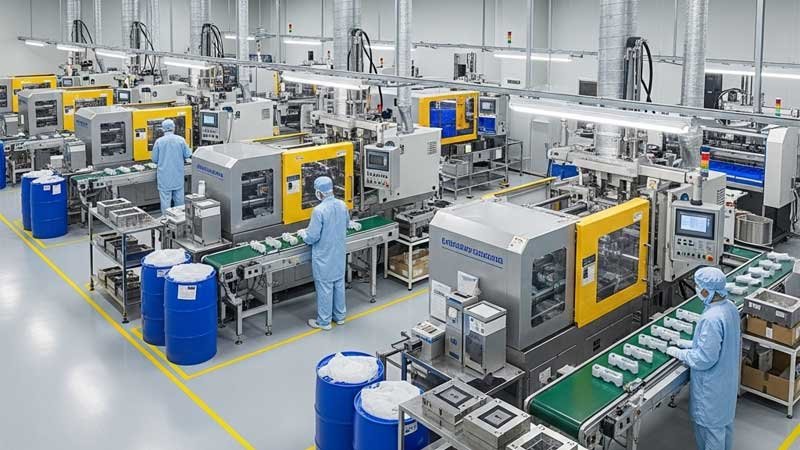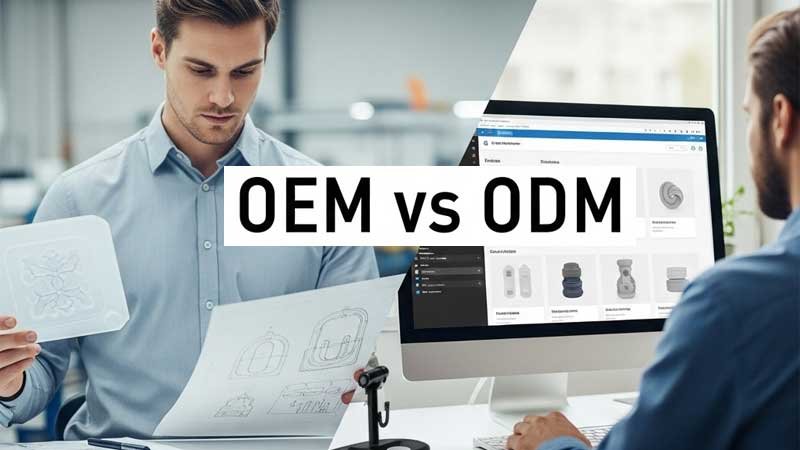
In the silicone product industry, OEM and ODM are two common ways to work with suppliers. Choosing the right model plays a key role in the success of your project.
This article will break down the differences between OEM and ODM in silicone manufacturing, explore the pros and cons of each, and offer practical advice to help you make smart decisions for your custom silicone products.
What Are OEM and ODM?
In custom silicone manufacturing, OEM and ODM represent two very different ways of working.
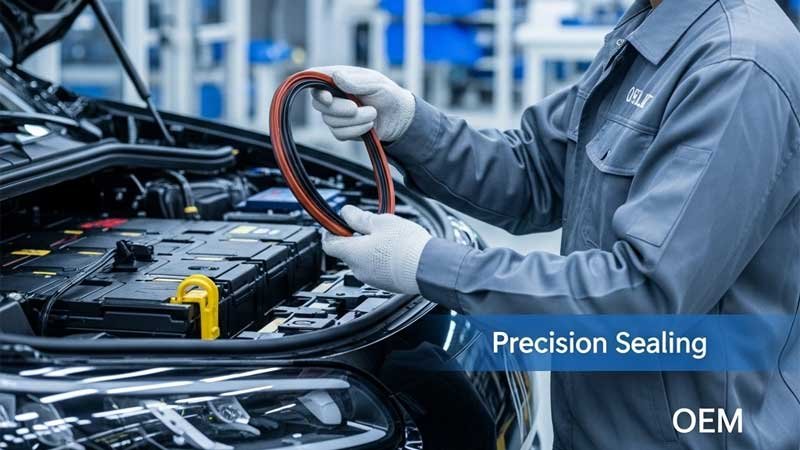
With OEM, the customer provides their own design, and the factory produces the product according to those exact requirements. This is common for projects that need specific structures or performance features.
ODM, on the other hand, is led by the factory. The manufacturer designs and develops the product, and the customer can either use it as-is or make small changes and sell it under their own brand.

What Are the Pros and Cons of OEM and ODM?
Before picking OEM or ODM, it helps to know what each option means for your project. These two paths come with different workflows, cost structures, and levels of control. Below is a comparison based on how they are commonly used in custom silicone product development.
OEM: Good for Full Control and Custom Features
Pros:
- High Level of Customization: OEM lets you decide everything, like silicone grade, hardness, temperature range, and printing method. It’s great for projects that need special functions or a unique look.
- Clear Ownership of Intellectual Property: You retain all design and branding rights under OEM. This is especially important for patented or exclusive products.
- Compliance with Specific Standards: OEM makes it easier to meet requirements like FDA, biocompatibility, or other industry certifications.
Cons:
- Higher Development Cost: You’ll need to invest in design, tooling, and prototyping. OEM works best if you already have a clear product plan and long-term vision.
- Longer Lead Time: The process includes product development, mold making, and pilot production, so the timeline to market is typically longer.
- Requires Technical Input: You should understand the product well and be able to check if the samples meet your needs.
ODM: Great for Speed and Lower Costs
Pros:
- Lower Upfront Investment: ODM lets you use existing molds and designs, so you don’t need to start from scratch. This reduces the cost of development significantly.
- Faster Time to Market: It’s a good choice for urgent projects, like online sales or seasonal launches.
- Technical Support Included: Manufacturers often have proven formulas and mature production setups. This helps improve process stability and reduce waste.
Cons:
- Limited Customization: Because the design is shared, it’s harder to create a unique shape or look.
- Unclear IP Ownership: Without a clear agreement, you may not have exclusive rights. Some designs may be used by multiple customers.
- Harder to Switch Suppliers: Since the molds belong to the factory, switching manufacturers might mean starting over.

OEM vs ODM: A Quick Comparison
To help you make the right choice, here’s a clear side-by-side comparison of how they differ in terms of design ownership, speed, cost, and more.
| Feature | OEM (Original Equipment Manufacturer) | ODM (Original Design Manufacturer) |
| Design Ownership | Buyer owns the full design | Manufacturer owns the original design |
| R&D Investment | Buyer handles most design and development costs | Manufacturer takes care of most design work |
| Mold Ownership | Owned or controlled by the buyer | Owned by the manufacturer |
| Product Uniqueness | High – fully customized, strong product differentiation | Moderate – may share similarities with other products |
| Time to Market | Slower – requires full development process | Faster – based on existing designs |
| Intellectual Property | Owned by the buyer | Owned by the manufacturer |
| Quality Control | Buyer is deeply involved in all quality aspects | Manufacturer ensures design quality; buyer focuses on production quality |
| Partnership Type | Manufacturer acts as a contractor for production only | Manufacturer offers full product solutions |
| Best For | Brands with strong design teams, long-term strategy, and a focus on IP | Companies that want speed, efficiency, and ready-made solutions |
Which Is Better for Different Silicone Product Industries?
OEM and ODM models suit different industries in different ways. Knowing your product’s application area can help you choose the right approach. Here’s a quick breakdown for three common sectors.
Medical Industry: High Standards Require OEM
Medical-grade silicone products need top-level safety, precision, and biocompatibility. Many must meet certifications like ISO 13485, FDA, or ISO 10993. OEM allows full control over materials, functions, and manufacturing details. It’s the better choice for long-term projects that demand consistency and clear ownership of the design.

Consumer Market: Speed and Cost Make ODM a Smart Pick
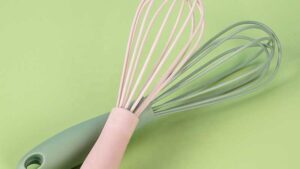
For silicone kitchen tools, baby items, or giveaways, fast time-to-market and budget control matter most. ODM lets you choose a ready-made design and customize the color, logo, or packaging. This is ideal for testing new products or responding quickly to market trends. If your brand needs something truly unique, OEM is an option, but it takes more time and money.
Industrial and Automotive: Custom Performance Favors OEM
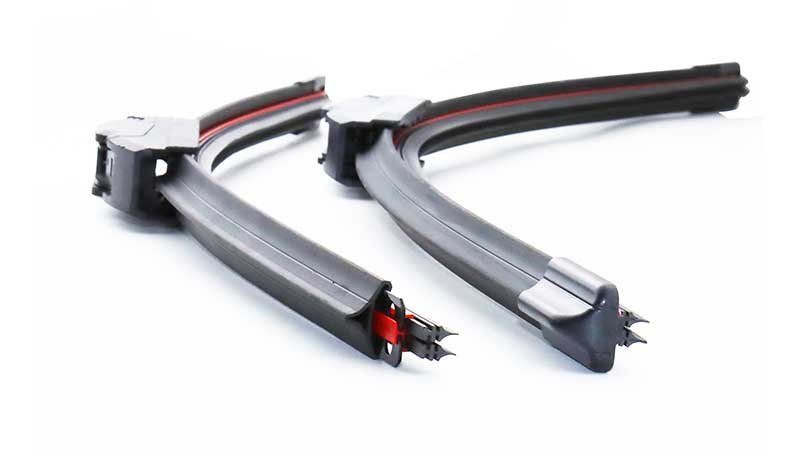
Silicone parts for industrial or automotive use often face tough environments—heat, pressure, or chemicals. These projects need reliable materials and precise structures. OEM ensures every spec and drawing is followed closely. ODM is less suited here, as off-the-shelf designs rarely match the performance needs of technical applications.
How to Choose Between OEM and ODM for Your Silicone Product?
When developing silicone products, there’s no absolute right or wrong between OEM and ODM. The best option depends on your brand goals, available resources, and go-to-market strategy. The four points below can help you make a more informed decision.
Do You Have a Design Team?
If you already have your own product ideas and want something unique, OEM is a better fit. You control every detail—how it looks, feels, works, and what materials to use. It’s a good choice if you’re building something technical, like medical parts or smart accessories.
If you don’t have design resources or want to move fast, ODM is easier. You choose a ready-made product, add your logo or change the color, and go straight to production. It’s quicker and has less risk.
Does Your Product Need to Be Unique?
If your brand needs a product that’s different from others, OEM helps you create that. You can design it from scratch and make sure it stands out.
If your product is more standard and you care more about speed and cost, ODM works better. The design may not be 100% unique, but good marketing and service can still make it successful.
What’s Your Budget and Timeline?
OEM costs more upfront. You’ll need to pay for molds, samples, and design work. But if you have the budget, it gives you a product that fits your brand perfectly and can offer long-term value.
ODM costs less and is much faster. The factory already has everything ready, so you can go to market quickly. It’s ideal for short-term projects or testing new ideas.
How Important Is IP Protection to You?
With OEM, you own the product design and all technical files. That means others can’t copy it, and you can even apply for patents. It’s a smart move if you want full control and long-term protection.
ODM designs belong to the factory and may be shared with others. If you go this route, make sure to sign an agreement about design rights and where your product can be sold. This helps keep your brand safe.

Conclusion
There’s no right or wrong between OEM and ODM—only what fits best. The key is to understand the difference, so you can choose the model that matches your brand strategy and resources.
If you’re still unsure, feel free to reach out to us. With over 10 years of experience in OEM and ODM silicone products, we can offer you a full-service solution tailored to your needs. Whether you’re launching a new brand or scaling an established one, we’ll help you find the right path forward.