Silicone injection molding is a widely used silicone manufacturing method, especially in industries such as medical devices, automotive, consumer electronics, and aerospace.
This article provides a comprehensive overview of silicone injection molding, covering its definition, process, advantages, disadvantages, applications, and key technical considerations that influence product quality and manufacturing efficiency.
What Is Silicone Injection Molding?
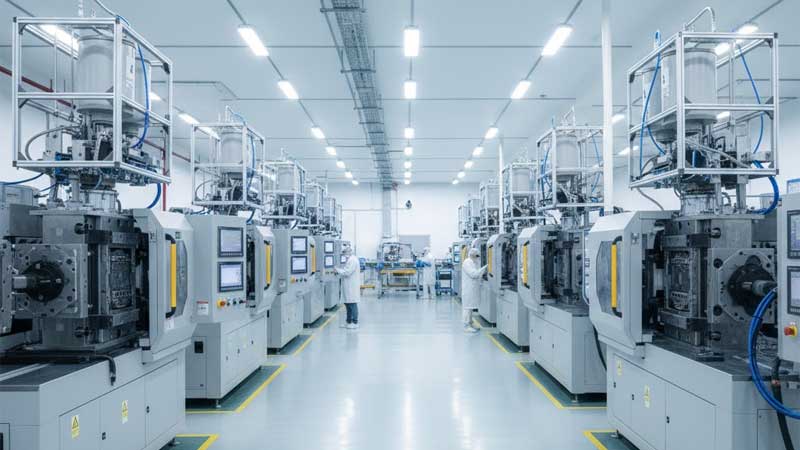
Silicone injection molding is a silicone manufacturing process that injects liquid silicone rubber into a heated mold under high pressure. The silicone then cures inside the mold, forming flexible and durable components with complex geometries and tight tolerances.
This process is particularly suitable for applications that demand high precision, consistent quality, and reliable performance. As a result, silicone injection molding is widely adopted in medical devices, automotive systems, consumer electronics, and aerospace components.
Silicone Injection Molding Process
Silicone injection molding is a highly controlled manufacturing process designed to produce high-performance silicone parts with excellent consistency and repeatability. By precisely managing each stage, manufacturers can achieve stable material properties and reliable part quality.
Material Preparation
In liquid silicone rubber injection molding, material preparation is a critical step.
Component A and Component B are stored separately to prevent premature curing before mixing.
Component A mainly consists of silicone polymer, providing elasticity and flexibility. Component B typically contains a platinum-based catalyst that initiates crosslinking during curing.
These two components are metered precisely, usually in a 1:1 ratio, using automated dosing equipment.
The measured materials are then mixed thoroughly in a static mixer. During this stage, temperature control is essential to prevent premature vulcanization and to maintain stable material viscosity.
Injection
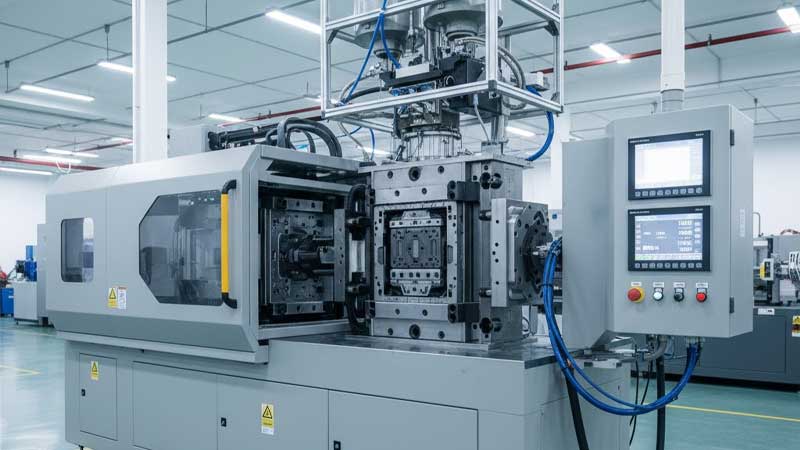
Once the LSR is properly mixed, it is fed into the injection molding machine. The machine includes a barrel, screw or plunger system, mixer, and nozzle. The silicone mixture is heated to a controlled temperature, typically between 250°F and 300°F (121°C to 149°C), allowing it to flow smoothly.
The heated silicone is injected under high pressure into a heated mold cavity. The mold design defines the final part geometry and enables the production of intricate features and fine details.
Key processing parameters significantly affect product quality. These parameters must be optimized based on part design and equipment capability:
- Mold temperature: Usually between 150°C and 200°C, influencing curing speed and final material properties.
- Injection pressure: Typically ranges from 50 to 150 MPa, affecting mold filling and part density.
- Injection speed: Commonly between 10 and 50 mm/s, impacting air entrapment and production efficiency.
Curing (Vulcanization)
After injection, the mold remains at a controlled temperature to initiate vulcanization. During curing, silicone polymer chains crosslink to form a solid, elastic structure.
Curing temperature and time are carefully controlled to ensure complete vulcanization. Typical curing temperatures range from 250°F to 300°F (121°C to 149°C), while curing time varies from several minutes to over 30 minutes depending on part thickness and complexity.
Post-Processing
Once curing is complete, the mold is cooled and the finished part is ejected. Post-processing may include:
- Trimming and deflashing to remove excess material
- Post-curing at elevated temperatures to improve mechanical properties
- Surface treatments such as plasma treatment, coating, or bonding
- Quality inspection to verify dimensions, mechanical performance, and visual appearance
These steps ensure that the final product meets all design and performance requirements.
Design Considerations for Silicone Injection Molding
Although silicone injection molding allows complex geometries, proper part design is essential for stable production, dimensional accuracy, and long-term performance. Unlike thermoplastics, silicone behaves as a highly elastic material during curing, which places greater importance on design details.
Wall thickness should be as uniform as possible to ensure consistent flow and even curing. Sudden changes in thickness may cause uneven vulcanization, internal stress, or surface defects. When thickness variation is unavoidable, gradual transitions are recommended to maintain material stability.
Draft angles are also important, even though silicone parts are flexible. Proper draft reduces demolding resistance, minimizes surface damage, and extends mold life. Parting line placement should be carefully planned to avoid visible seams on functional or aesthetic surfaces.
Gate location directly affects material flow, pressure balance, and air evacuation. Poor gate design may lead to incomplete filling or trapped air. Venting is therefore critical, especially for thin-wall or complex parts. Undercuts are possible due to silicone’s flexibility, but they must be evaluated based on part geometry and demolding method to prevent tearing or deformation.
Tooling and Mold Design
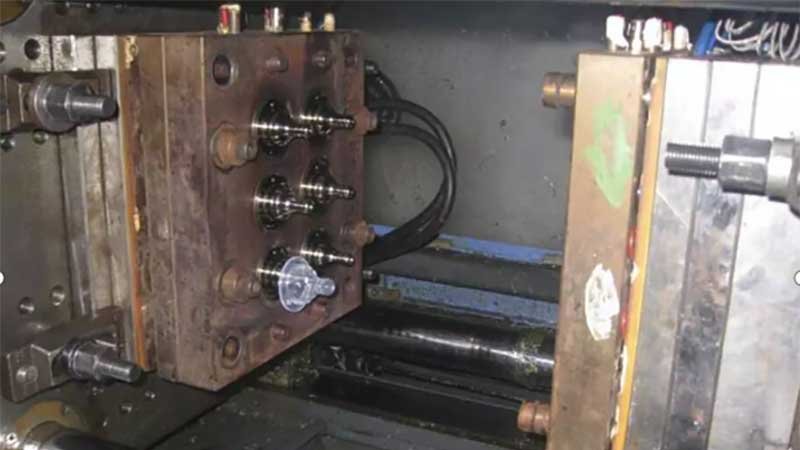
Tooling design is one of the most critical factors in silicone injection molding and a major contributor to initial project cost. Silicone molds are typically manufactured from hardened steel to withstand high temperatures, pressure, and repeated production cycles.
Hot runner systems are widely used in silicone injection molding to eliminate cold runners and reduce material waste. These systems also improve process consistency and shorten cycle times. For high-volume production, multi-cavity molds significantly increase output while maintaining dimensional repeatability across cavities.
Vacuum-assisted mold designs are often employed to remove trapped air before injection. This is especially important for medical and precision components, where air bubbles or voids are unacceptable. In addition, accurate thermal control across the mold ensures uniform curing, reduces cycle variation, and extends mold service life.
Quality Control and Testing
Quality control plays a vital role in silicone injection molding, particularly for medical, food-grade, and industrial applications where safety and reliability are critical. Manufacturers typically implement quality checks throughout the entire production process rather than relying solely on final inspection.
Dimensional inspection verifies that parts meet drawing specifications and tolerance requirements. Shore hardness testing confirms material consistency and curing quality. Mechanical testing, such as tensile strength, elongation, and tear resistance, ensures that parts meet functional performance requirements.
Visual inspection is also essential, as surface defects, contamination, or flash may affect sealing performance or appearance. For regulated industries, batch traceability, material certification, and process documentation further ensure consistent quality and compliance.
Tolerances and Part Accuracy
Silicone injection molding is known for excellent dimensional stability when properly controlled. However, achievable tolerances depend on part geometry, wall thickness, material formulation, and mold precision.
Thin-wall sections and complex geometries require tighter control of injection pressure, temperature, and curing time. Variations in these parameters can lead to dimensional deviation or warpage. Mold design accuracy and temperature uniformity also have a direct impact on final part dimensions.
Compared to thermoplastics, silicone’s elasticity allows easier demolding without part damage. At the same time, this elasticity means that parts may temporarily deform after ejection. Proper design and post-curing help ensure that parts return to their intended dimensions and maintain long-term dimensional accuracy.
Advantages of Silicone Injection Molding
Silicone injection molding offers several important advantages that make it suitable for demanding applications:
- Precision and repeatability: The process enables the production of complex parts with tight tolerances and consistent quality across large production runs.
- Minimal material waste: Automated dosing and closed-runner systems reduce scrap and trimming, improving material efficiency.
- Short cycle times: Precise temperature and pressure control allow rapid curing and high production efficiency.
These advantages make silicone injection molding a reliable and cost-effective solution for high-volume production of precision silicone components.

Disadvantages of Silicone Injection Molding
Despite its benefits, silicone injection molding also has limitations that should be considered during project planning.
Initial tooling costs are relatively high due to complex mold structures, hot runner systems, and tight machining tolerances. This makes the process less economical for low-volume or prototype production.
Silicone injection molding primarily uses liquid silicone rubber. While LSR offers excellent performance, it may not meet every application’s specific mechanical or chemical requirements. Careful material selection is therefore essential.
Comparison with Other Silicone Molding Methods
Compared to silicone compression molding, injection molding provides higher automation, better repeatability, and improved dimensional control. Compression molding is more suitable for simple geometries and lower tooling budgets.
Transfer molding improves material flow control compared to compression molding but lacks the speed and efficiency of injection molding for high-volume production. Extrusion and calendaring are better suited for continuous profiles or flat sheets, whereas injection molding excels at producing complex three-dimensional parts with tight tolerances.
Common Defects and How to Avoid Them
Common defects in silicone injection molding include air bubbles, flash, incomplete filling, and inconsistent curing. These defects are often related to mold venting issues, improper injection parameters, or insufficient temperature control.
Optimizing gate and vent design, using vacuum-assisted molds, and fine-tuning injection pressure and curing conditions can significantly reduce defect rates. Regular mold maintenance also plays an important role in maintaining stable production quality.
Applications of Silicone Injection Molding
Silicone injection molding is widely used in industries such as medical devices, automotive sealing systems, consumer electronics, and aerospace components. Its flexibility, heat resistance, biocompatibility, and long-term durability make it suitable for both functional and safety-critical applications.
| Industry | Applications |
| Medical | Catheters, surgical seals, prosthetics, medical gloves, and tubes. |
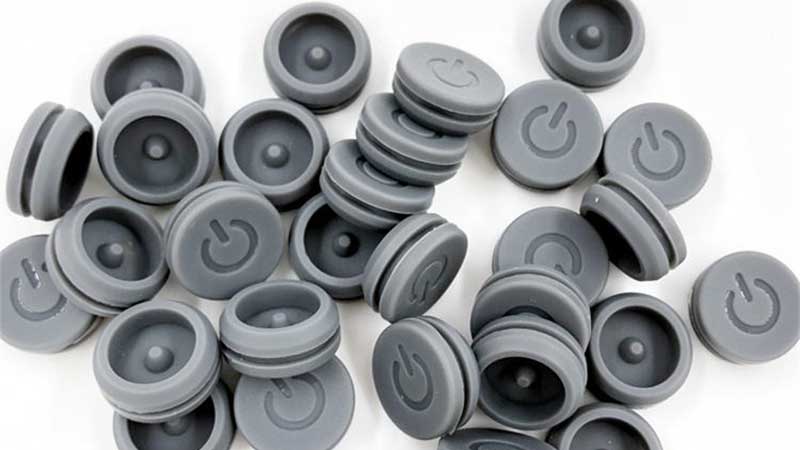
| Automotive | Gaskets, seals, hoses, engine mounts, and electrical insulation components. |
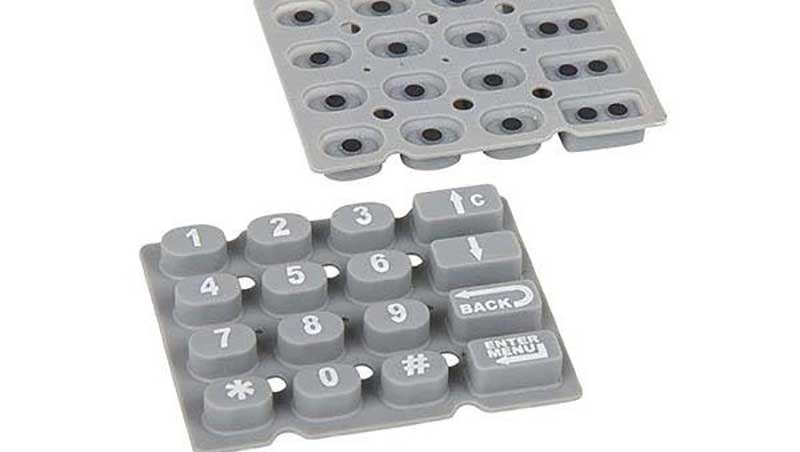
| Electronics | Keypads, connectors, seals, gaskets, insulators, and switch pads. |
| Aerospace | Seals, gaskets, insulation panels, fuel hoses, and O-rings. |
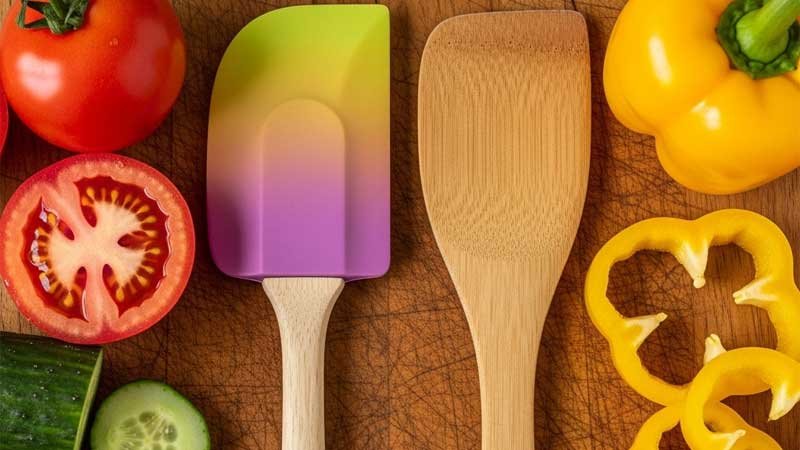
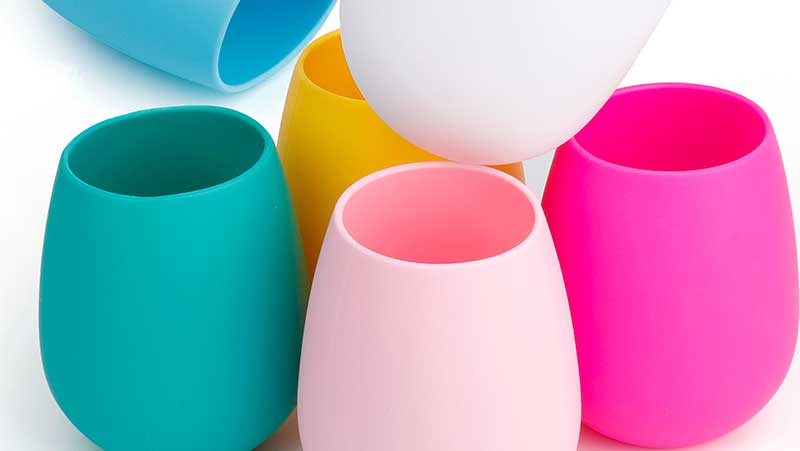
| Consumer Goods | Kitchenware, baby care items, personal care products, and wearables. |
Environmental and Regulatory Considerations
Silicone injection molded products often comply with strict regulatory requirements, including FDA, LFGB, RoHS, and REACH. Medical-grade silicone may also meet USP Class VI standards.
Silicone materials are chemically stable, low in toxicity, and resistant to degradation over time. These characteristics support long service life and make silicone suitable for environmentally conscious and regulated applications.
Types of Silicone Used in Injection Molding
Different silicone materials are selected based on performance and production requirements:
- Liquid Silicone Rubber (LSR): A two-part liquid system ideal for high-precision, fully automated, and high-volume production. It offers excellent flow, fast curing, and consistent quality.
- High-Consistency Rubber (HCR): A more solid, putty-like material that can be processed using injection molding. HCR provides different mechanical characteristics but generally requires more manual handling than LSR.
Frequently Asked Questions
Is silicone injection molding suitable for low-volume production?
It is technically possible, but high tooling costs make the process more economical for medium to high-volume production.
What is the difference between LSR and HCR injection molding?
LSR supports higher automation and tighter process control, while HCR offers alternative mechanical properties for specific applications.
How long does a silicone injection mold last?
With proper design and maintenance, silicone injection molds can last hundreds of thousands of cycles.
Conclusion
Silicone injection molding is a highly advanced manufacturing process that combines precision, efficiency, and material performance. Its ability to produce complex, high-quality components makes it essential for industries with strict performance requirements.
By understanding the process, design considerations, material options, and limitations, manufacturers can fully leverage silicone injection molding to create reliable and innovative products.